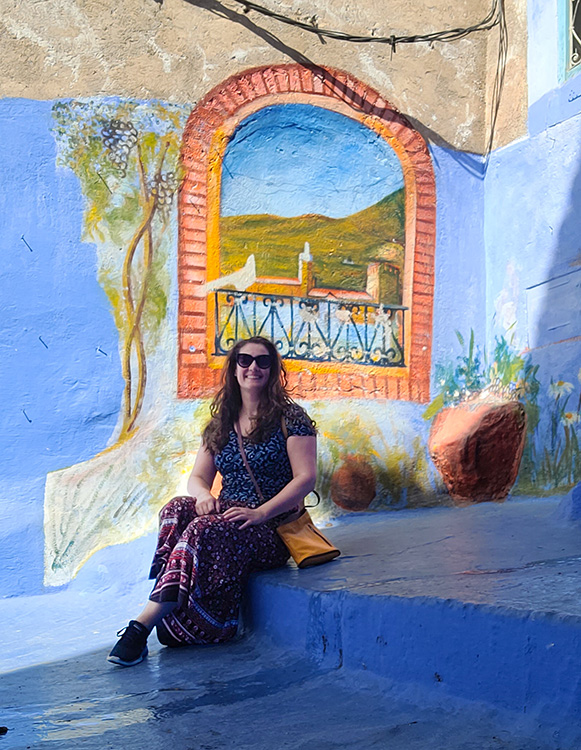

In October 2025, I took a short trip to Tangier and Chefchaouen. Ever since I arrived in Toulouse, I had wanted to visit Morocco. My first flatmate there was Moroccan, and one of my friends had been to Chefchaouen and loved it. Somehow, in 2025, I just couldn’t get it out of my head.
Why Chefchaouen?
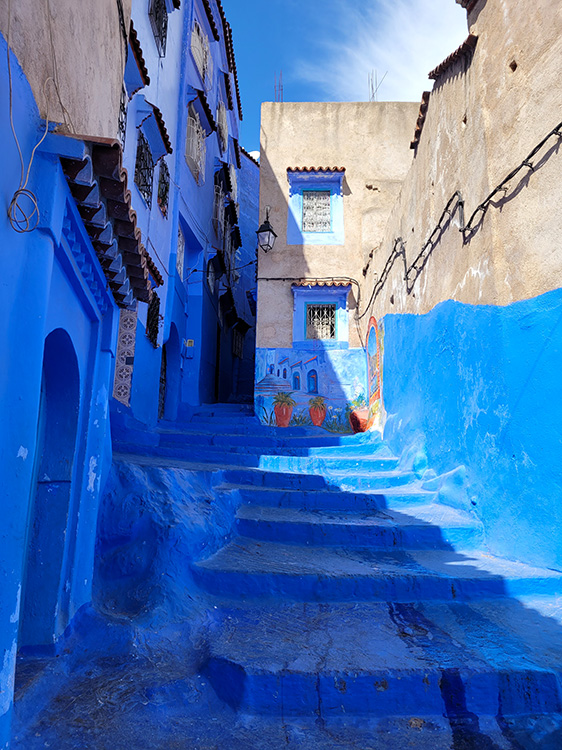
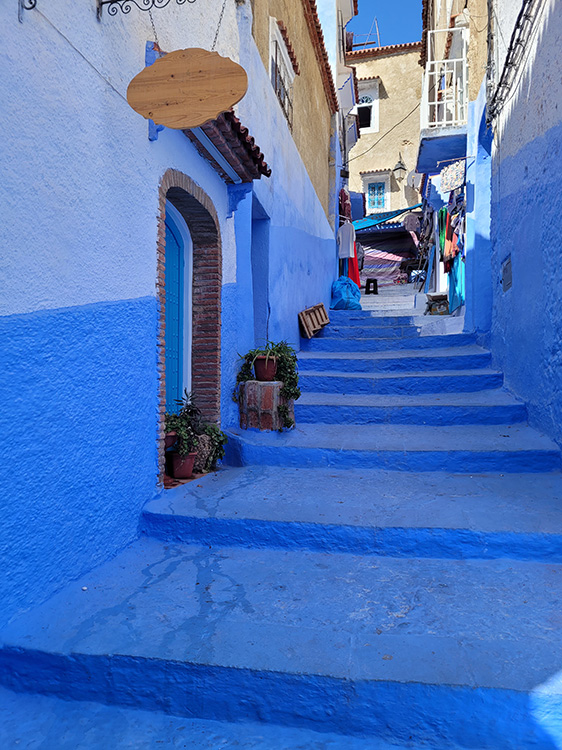
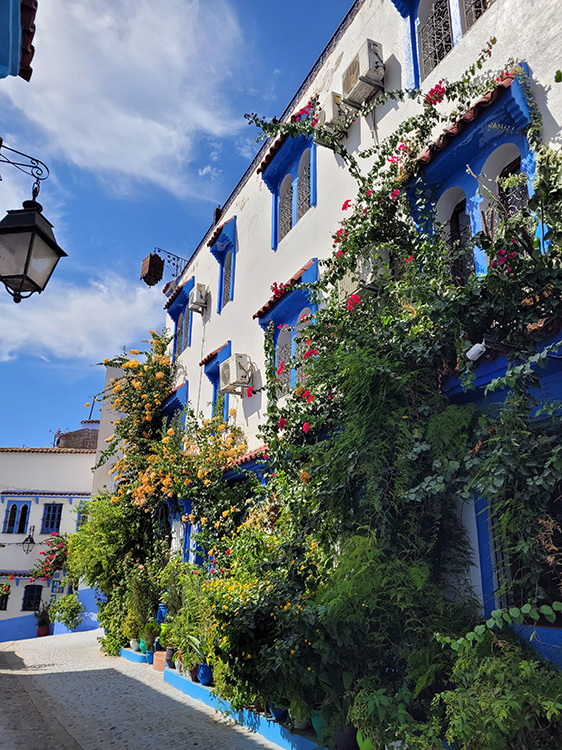
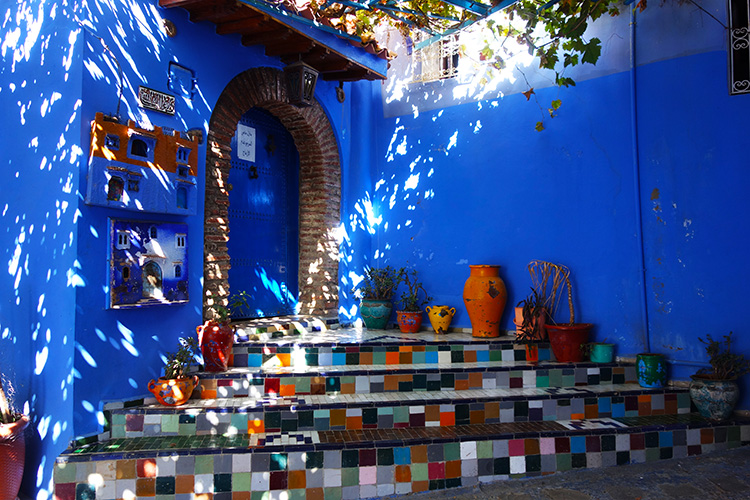
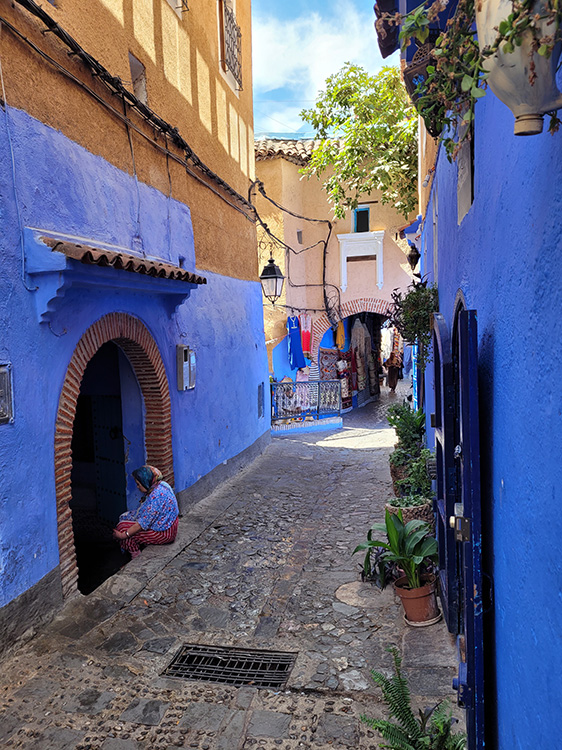
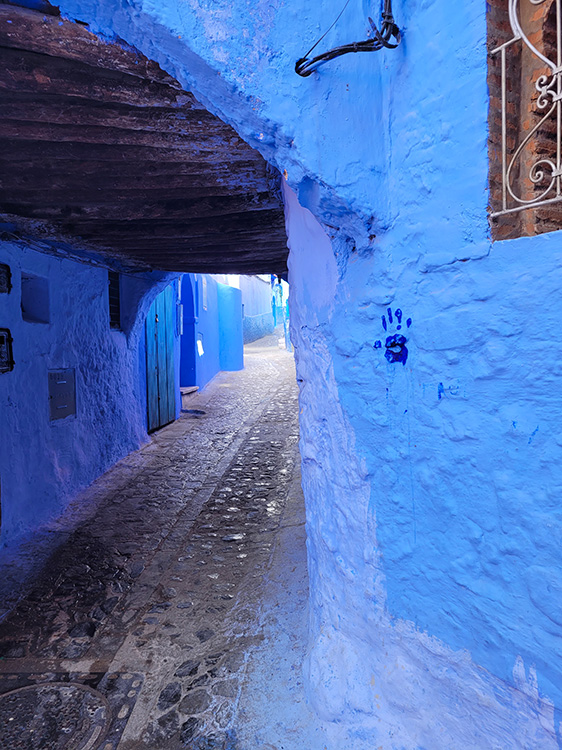
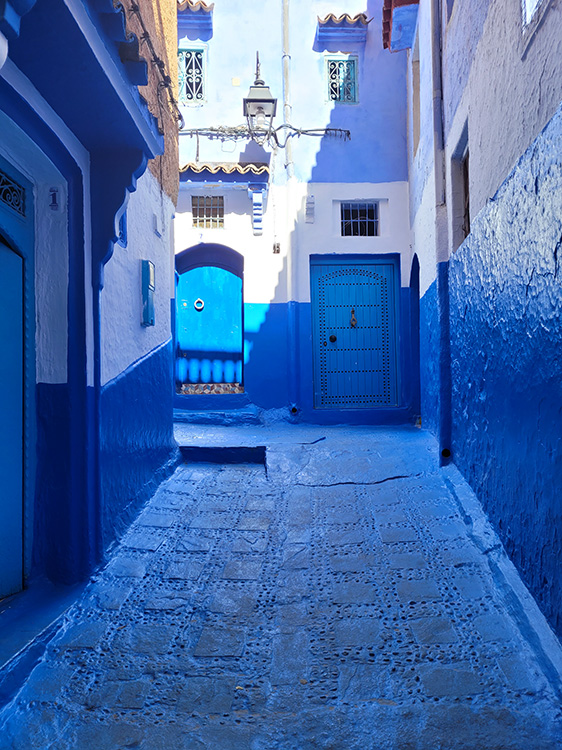
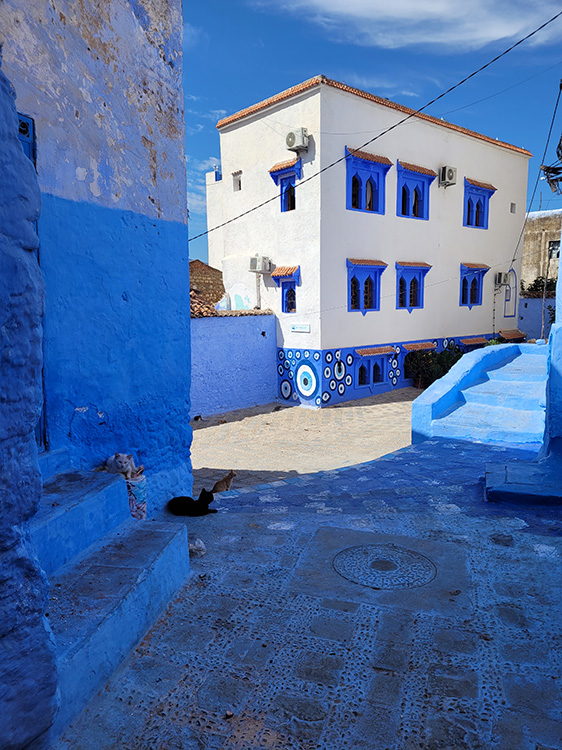
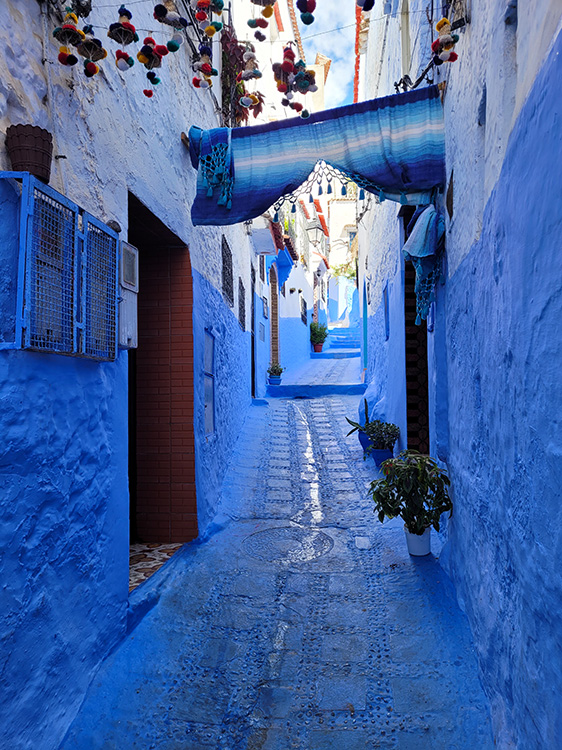
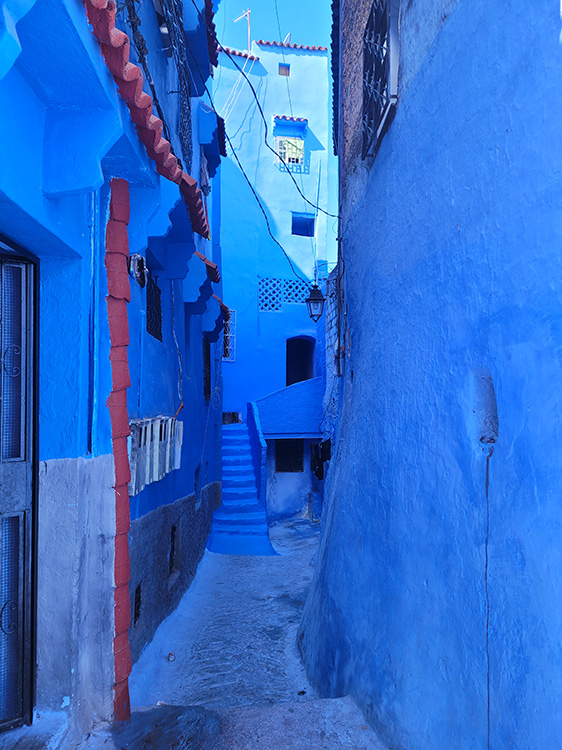
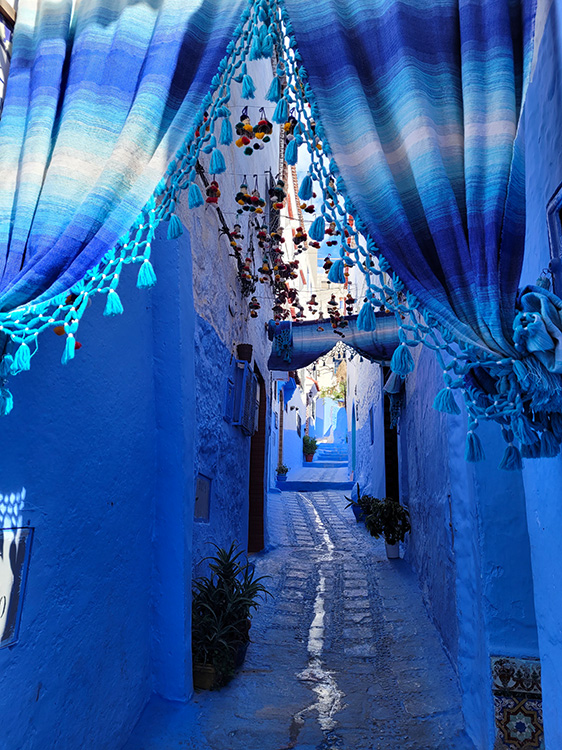
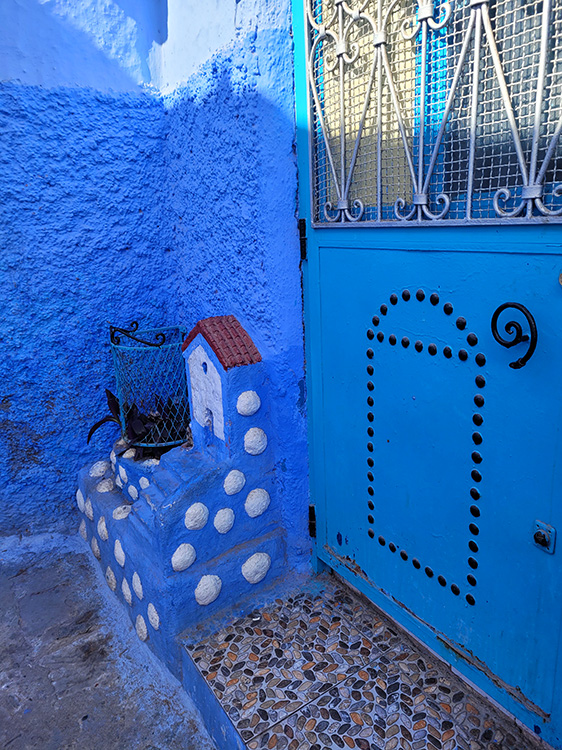
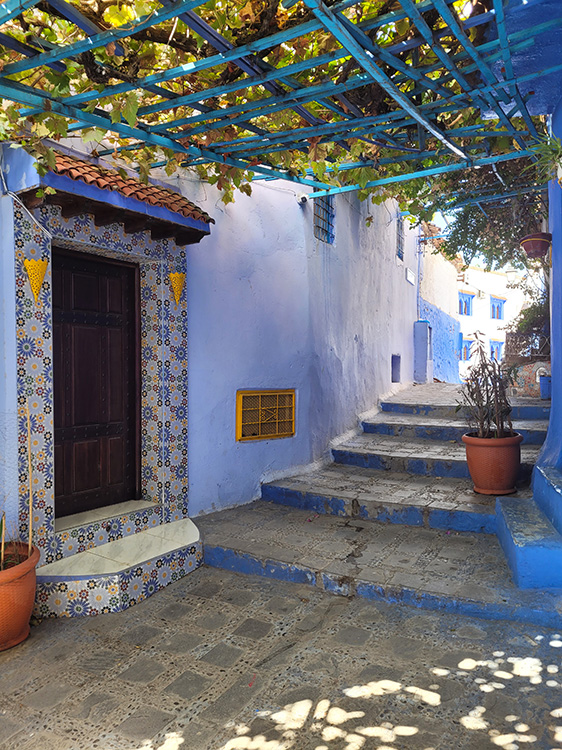
Because it’s beautiful, with its sinuous blue streets where the colorful drapes and carpets catch your eye. Because I had heard wonders about Moroccan food. And because I needed to escape into a fairy tale.
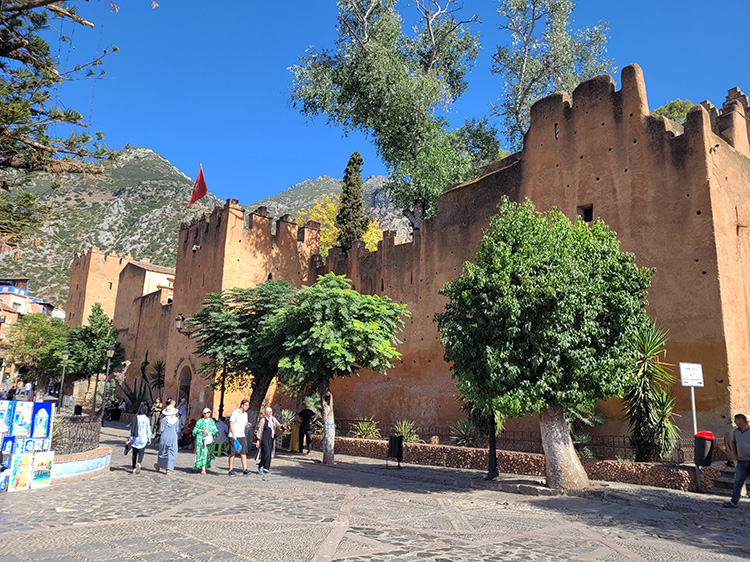
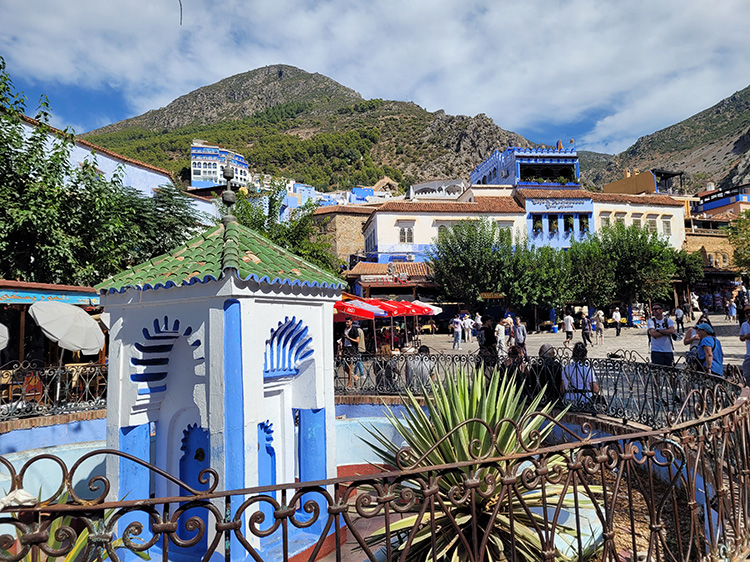
I knew it would be very touristy, so I wasn’t shocked when I saw all the souvenirs, the shops and the people. Some people were not happy because it was too touristy. I was prepared and I think that that helped me appreciate the place more, for what it is.
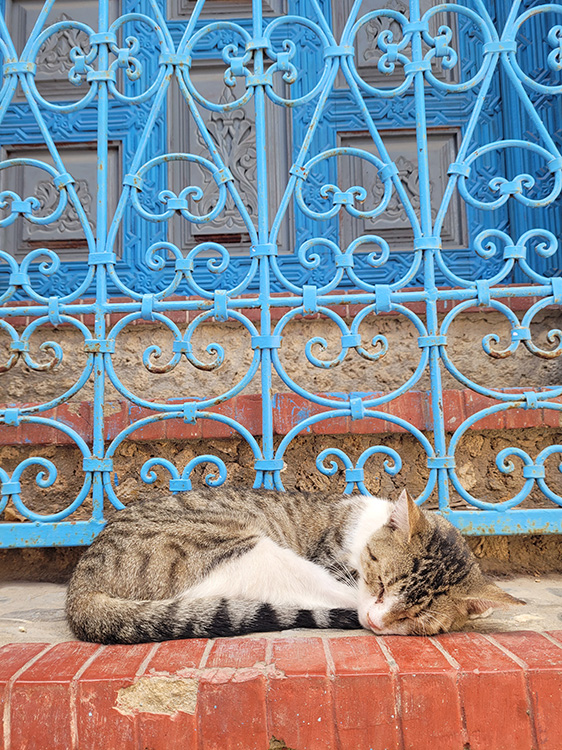
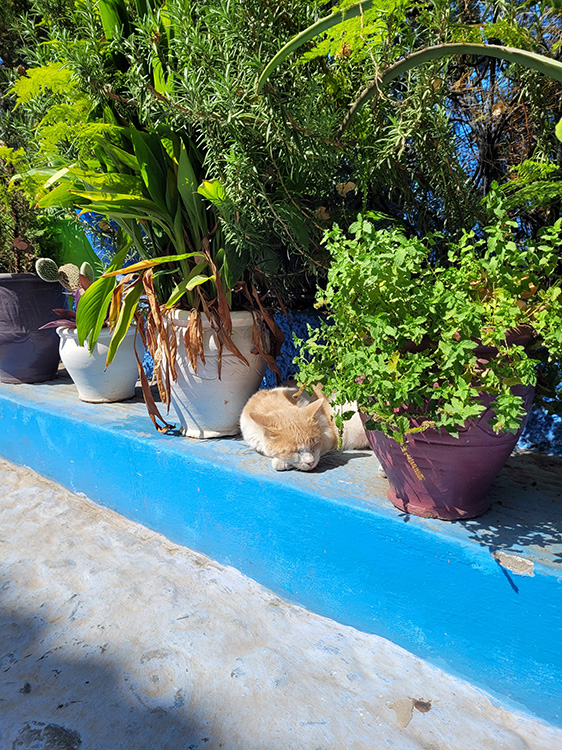
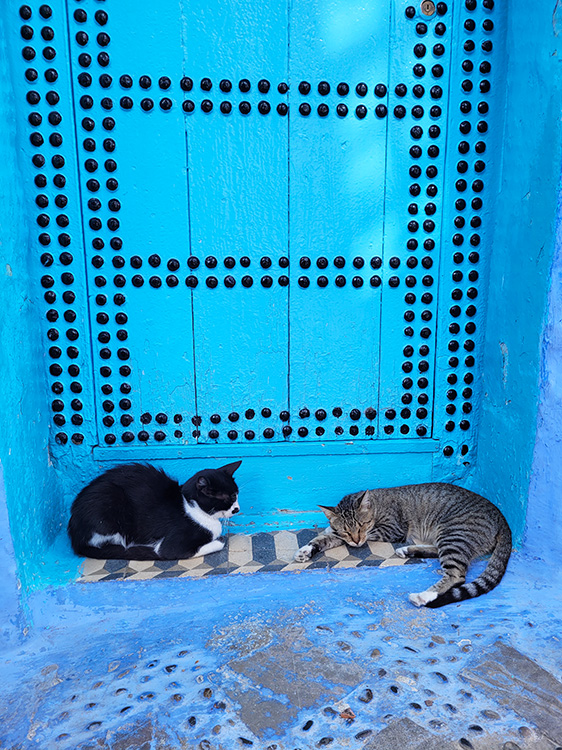
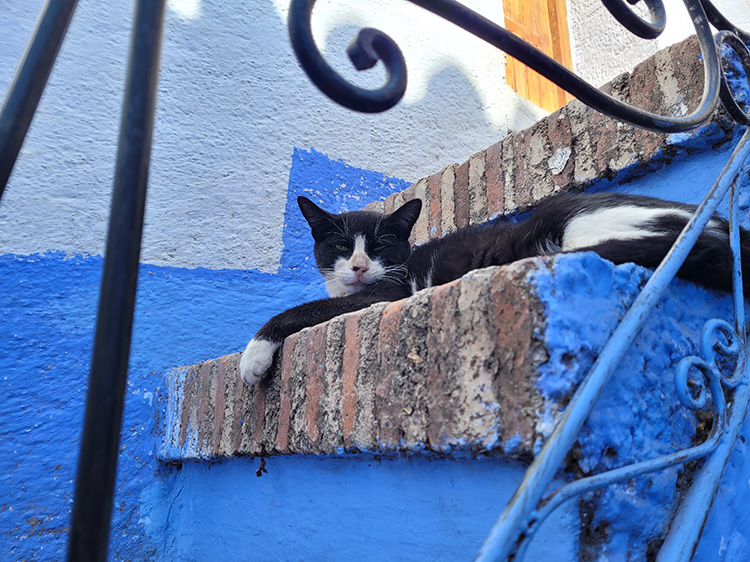
In a way, it reminded me of Venice: the main streets are filled with people and shops, but if you just go and explore further, you can be alone in the middle of a blue dream. It felt very peaceful and I needed the beauty. There were so many cats as well, not all in good shape, but most of them seemed content and were acting like they owned the place.
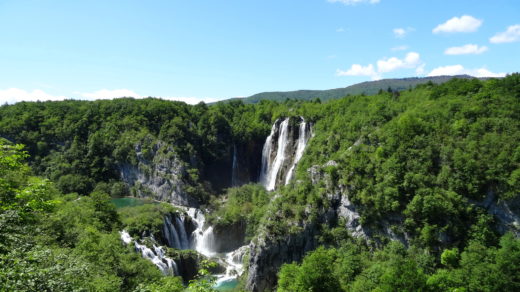
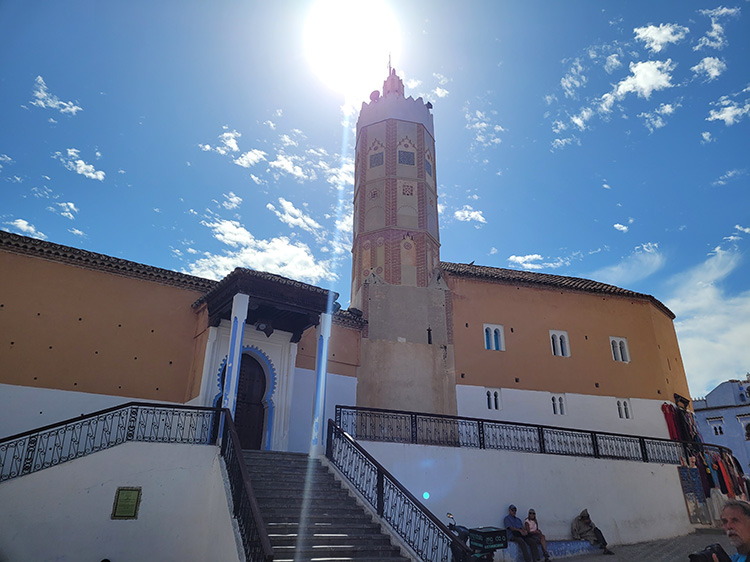
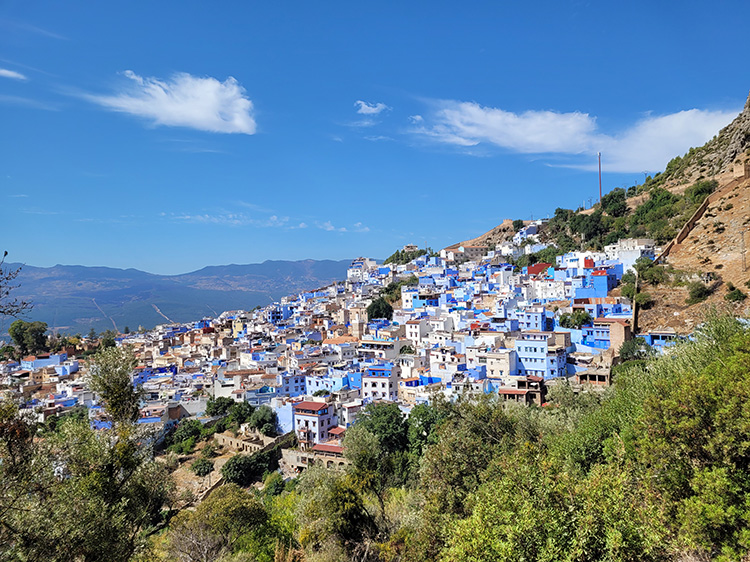
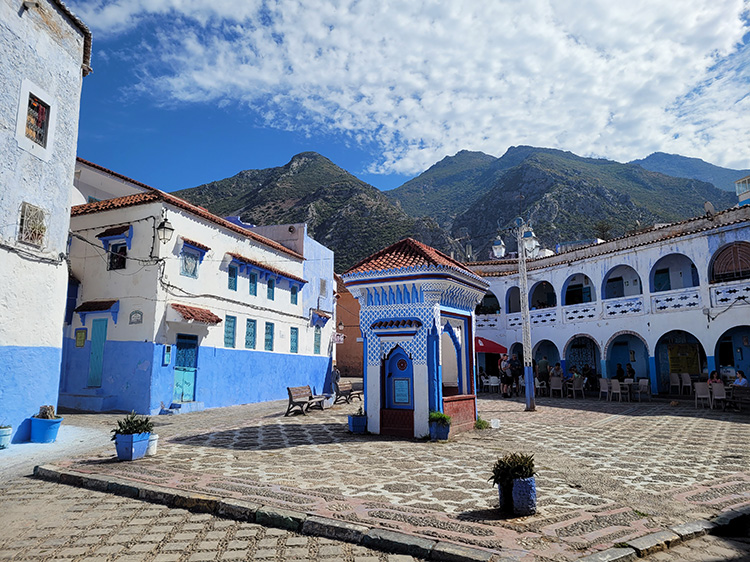
Some guides will tell you that you have to see the waterfall or the Spanish mosque… Honestly, I think you should just let yourself wander, the city is not that big, you can see most of it in half a day. You might as well take your time and enjoy it. I saw the waterfall: it was dry and polluted. Maybe that’s not always the case. And I climbed a bit to see the city from above (beautiful views!) and saw the mosque from far away and it was enough for me. You do you.
Why Is It Blue?
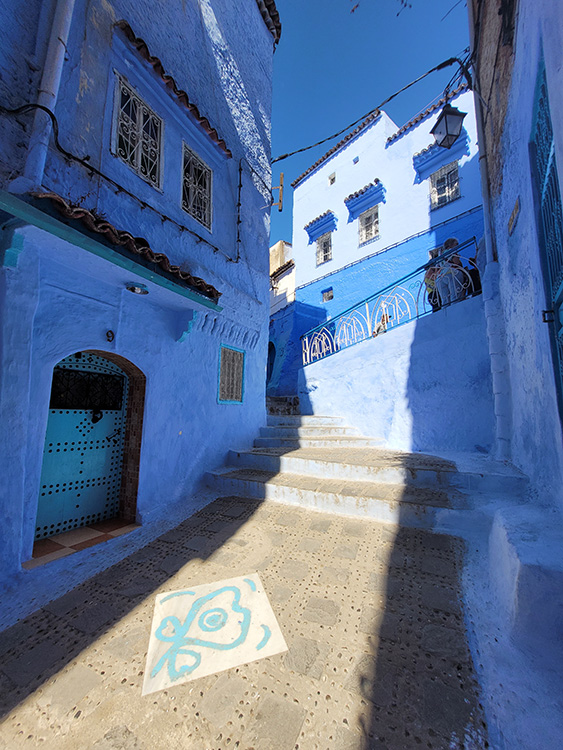
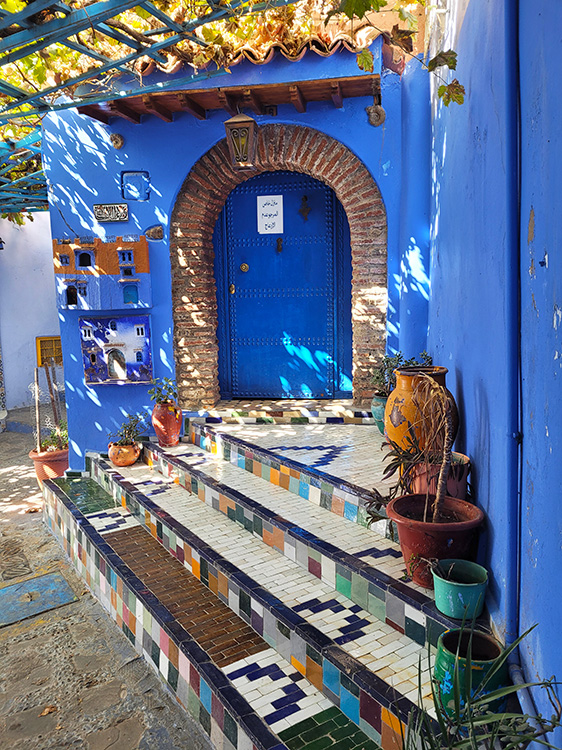
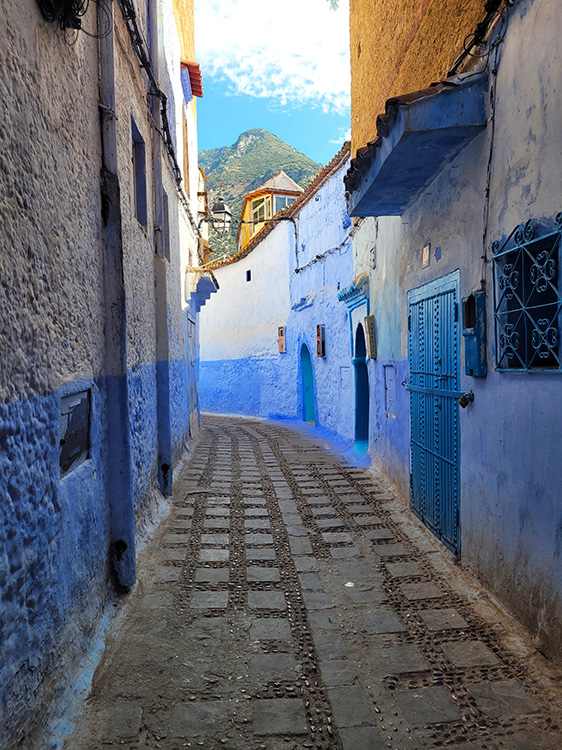
From the walls and staircases to the floors of the medina, nearly everything is painted in shades of blue. And that color has made the city famous around the world.
One explanation goes back to after World War II, when the Jewish community in the area grew. Blue was painted as a religious practice, symbolizing the sky and creating a link between the city, heaven, and God. At that time, much of the medina was still white and only turned blue about 40 years ago, mainly for its beauty and growing tourist appeal.
Other reasons are more practical. Many locals say the blue helps keep houses cool by reflecting sunlight. It is also believed to keep mosquitoes away. The color traditionally came from Nila, made from volcanic stone brought from the desert. Mixed with lime and copper sulfate, it also helps protect homes from termites.
Some people say the blue offers protection from bad spirits, while others believe it once helped attract merchants passing through the region.
Today, the tradition continues mostly because of tourism. The walls are still repainted once or twice a year, keeping Chefchaouen’s peaceful blue atmosphere alive.
How Can You Reach Chefchaouen?
I chose to go to Chefchaouen from Tangier, but there are many other options.
Initially, I wanted to do an organized trip, but I couldn’t find an option that suited my plans. So I bought a flight ticket from Toulouse, I booked a hostel in the heart of Tangier, and then an organized group trip to Chefchaouen. It was quite cheap because it only included transportation, not a guide, but that was perfect for me. I used GetYourGuide and was satisfied with the process.
People in Tangier were lovely and helpful, I don’t think a fully organized trip is necessary, but if it reassures you, there are options that are not too expensive.